Piano Life Saver System, Environmental Control

Benefits of the Piano Life Saver for Piano Tuning, Keys & Keyboards, Piano Care and Maintenance
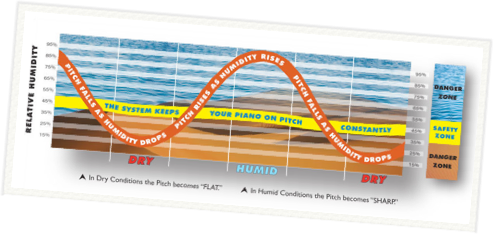
The system provides a consistent climate, keeping the humidity level constant year round in any climate or environment. The level should be close to 42% humidity with the minimum percentage at 35% and maximum 55% before damage may set in. The Piano Life Saver is installed out of sight, inside the piano. Models are available for Grand Pianos, Baby Grands, and Upright pianos.
The Piano Life Saver System...
-
•Stabilizes piano tuning, maintaining pitch and markedly extending the life of piano tunings
-
•Minimizes the expansion and contraction of action parts which provides optimum touch and predictable keyboard control
-
•Prevents rust on the strings and metal parts
-
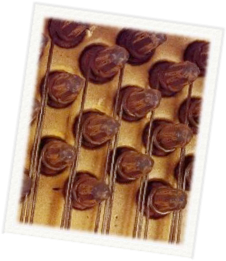
•Minimizes felt deterioration, reducing the harsh tones that come from flattened hammer felt in low humidity or the muffled tones from swollen hammer felt in high humidity
-
•Minimizes glue failure throughout the piano
-
•Protects your investment year after year
Prevent Sticking Keys
Just as doors and drawers become tight and difficult to move, the keys of your piano may stick down when struck in times of high humidity.
Prevent Sluggish, Unresponsive Keyboard Action
As you play your piano, you will notice how responsive the keys are to your touch. The way the keys cause the hammers to strike the piano strings is part of thousands of interconnected wooden parts called the piano action. With high moisture levels in the piano action, the action is sluggish, and the keys seem non-responsive to your touch.
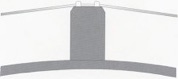
Prevent Costly, Permanent Bridge and Soundboard Damage
The soundboard is the single largest piece of wood in your piano. It actually vibrates to amplify the sound produced by the strings. The bridges of your piano are joined to the soundboard and support the strings.
Moist Conditions
Dry Conditions
Prevent Serious Rust Damage to Strings and Pins
The strings of your piano are responsible for producing the musical sounds. With exposure to high humidity levels over long periods, strings become rusted and corroded.
At the junction where rusted strings wrap around rusted pins, rust corrosion forms a hardened bond between the two. Then, during a tuning, when your piano technician turns the pins to stretch the strings, the inflexible, rusted string snaps at this joint.

Please call me with your questions about installation and see website for pricing. http://www.pianolifesaver.com/